


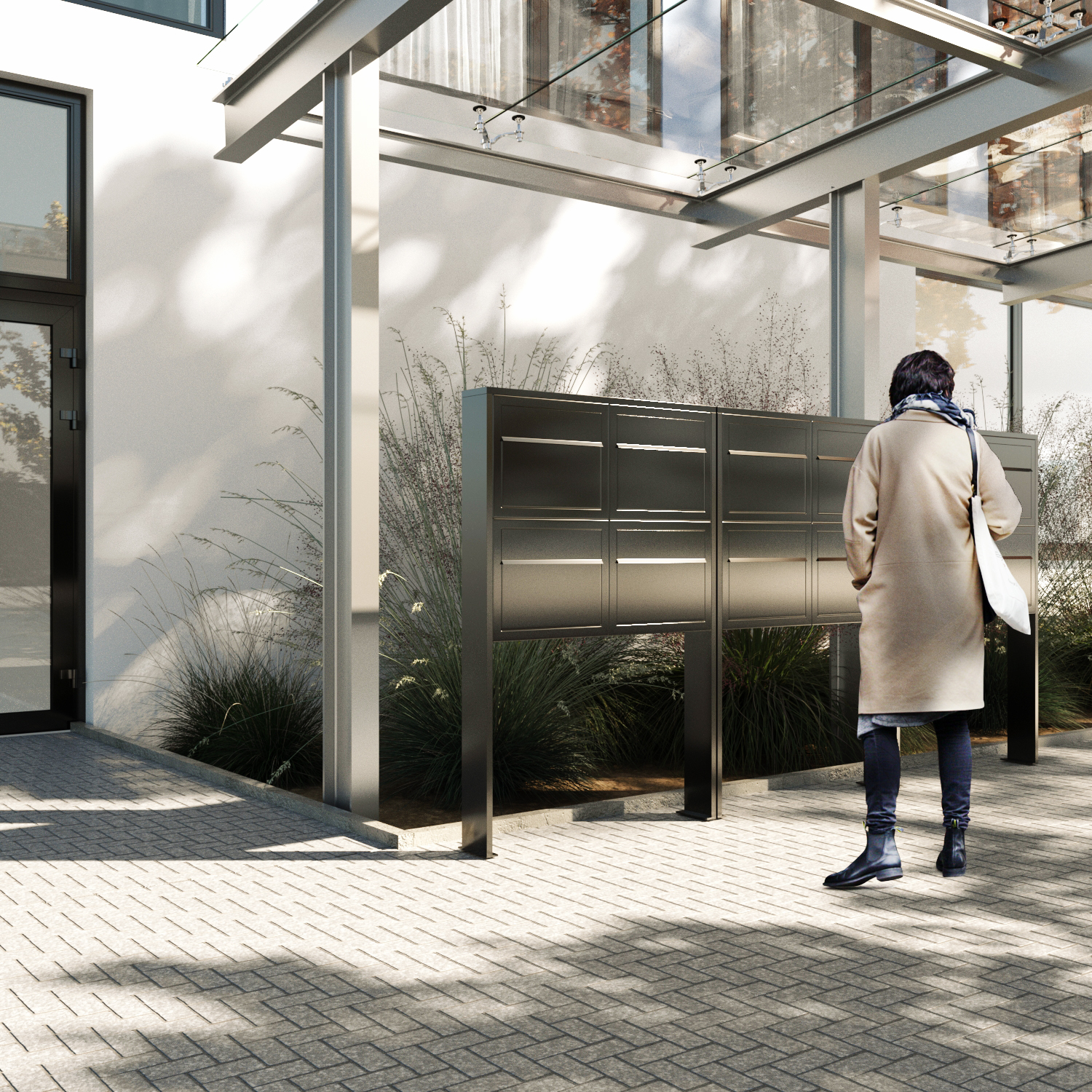
How to Protect Your Mailbox from Rust – A Practical U.S. Guide
Rust forms when unprotected steel reacts with moisture and oxygen. With the right material choice, proper installation, and basic maintenance, a mailbox can remain rust-free for many years. This guide is tailored to typical U.S. conditions—including coastal air, road salt in winter, and high humidity.
1) Choosing the right material
The material is the single most important anti-rust decision before purchase.
| Material | Description | Corrosion risk | Recommendation |
|---|---|---|---|
| Stainless steel AISI 304 | Corrosion-resistant chromium-nickel steel; suitable for most environments. | Low to moderate in normal areas; higher near salt exposure. | Excellent for inland and urban locations with regular cleaning. |
| Stainless steel AISI 316 | Molybdenum-alloyed stainless steel with enhanced corrosion resistance. | Very low, even near coastal or salt-heavy areas. | Best choice for coastal regions or areas with heavy road salt use. |
| Galvanized, powder-coated steel | Zinc coating protects steel; powder coat adds a barrier layer. | Low as long as coating remains intact. | Very good option; repair chips or scratches immediately. |
| Uncoated steel | No protective layer. | High | Not recommended for outdoor use. |
2) Installation best practices
- Avoid galvanic corrosion: Do not directly connect stainless steel to bare steel or copper without insulating washers.
- Drainage matters: Ensure water can run off—avoid flat surfaces where water can pool.
- Wall spacing: Use small spacers for wall-mounted mailboxes to reduce trapped moisture.
- Protect surfaces during installation: Remove metal shavings immediately; avoid scratching coated areas.
- Secure foundations: Freestanding mailboxes should be anchored securely, considering splash zones from rain or snowmelt.
3) Cleaning & maintenance – simple routine
Regular cleaning prevents surface rust and salt buildup.
| Interval | Action | Notes |
|---|---|---|
| Monthly (bi-weekly in winter or coastal areas) | Rinse with water; clean using mild, pH-neutral soap and a soft cloth. | No abrasives or steel wool. Dry thoroughly. |
| Twice per year | Apply stainless steel cleaner or protective coating. | Follow manufacturer instructions. |
| As needed | Remove surface rust | Use non-abrasive stainless cleaner—never sand across the grain. |
4) Common mistakes that cause rust
- Ignoring salt exposure: Road salt and sea air must be rinsed off regularly.
- Using harsh cleaners: Chlorine-based or abrasive products damage protective layers.
- Delaying repairs: Chips in powder coating should be sealed immediately.
- Metal debris nearby: Grinding or drilling close to the mailbox can deposit rust-prone particles.
- Poor drainage: Standing water accelerates corrosion.
5) What to do at the first sign of rust
- Light surface rust (stainless steel): Clean gently and reapply protective finish.
- Small coating damage: Clean, dry, and seal with compatible touch-up paint.
- Advanced corrosion: Remove rust completely, treat, repaint—or replace affected parts.
6) Quick material choice by location
- Inland / normal climate: Stainless steel 304 or powder-coated galvanized steel.
- Coastal regions: Stainless steel 316 recommended.
- Snowy areas with road salt: Stainless steel 316 or increased maintenance frequency.
FAQ – quick answers
Is stainless steel completely rust-proof?
“Stainless” means corrosion-resistant, not immune. Proper cleaning preserves the protective passive layer.
Does wax or oil help on powder-coated surfaces?
A thin, approved protective film can help repel dirt and moisture—use products recommended for powder coating.
How long does a rust-resistant mailbox last?
With proper material selection and maintenance, many years—even in challenging environments.